In 2026, the global shift toward sustainability is no longer a trend—it is a necessity. As the world produces over 430 million tonnes of plastic annually, brands like AARYANT are leading the charge to replace traditional single-use plastics with rugged, recyclable, and reusable alternatives.
Here is a breakdown of why switching from traditional plastics to AARYANT products is a critical choice for a greener sustainable future.
Breaking the Cycle: Traditional Plastics vs. AARYANT
1. The Persistence of Plastic Waste
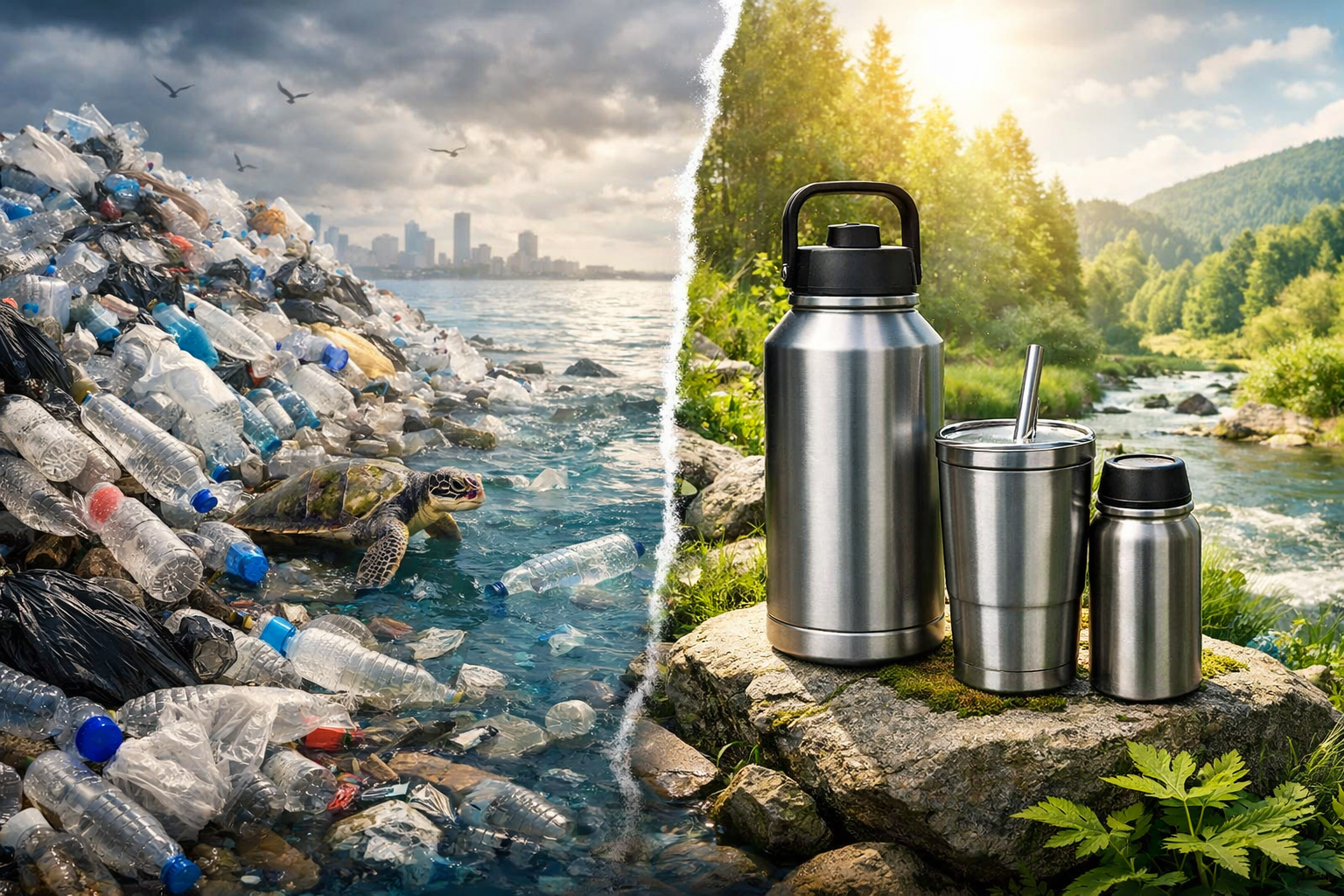
Traditional: Single-use plastics like packaging and cutlery are designed for minutes of use but can persist in the environment for 100 to 1,000 years. Only about 9–10% of all plastic waste ever produced has been recycled globally.
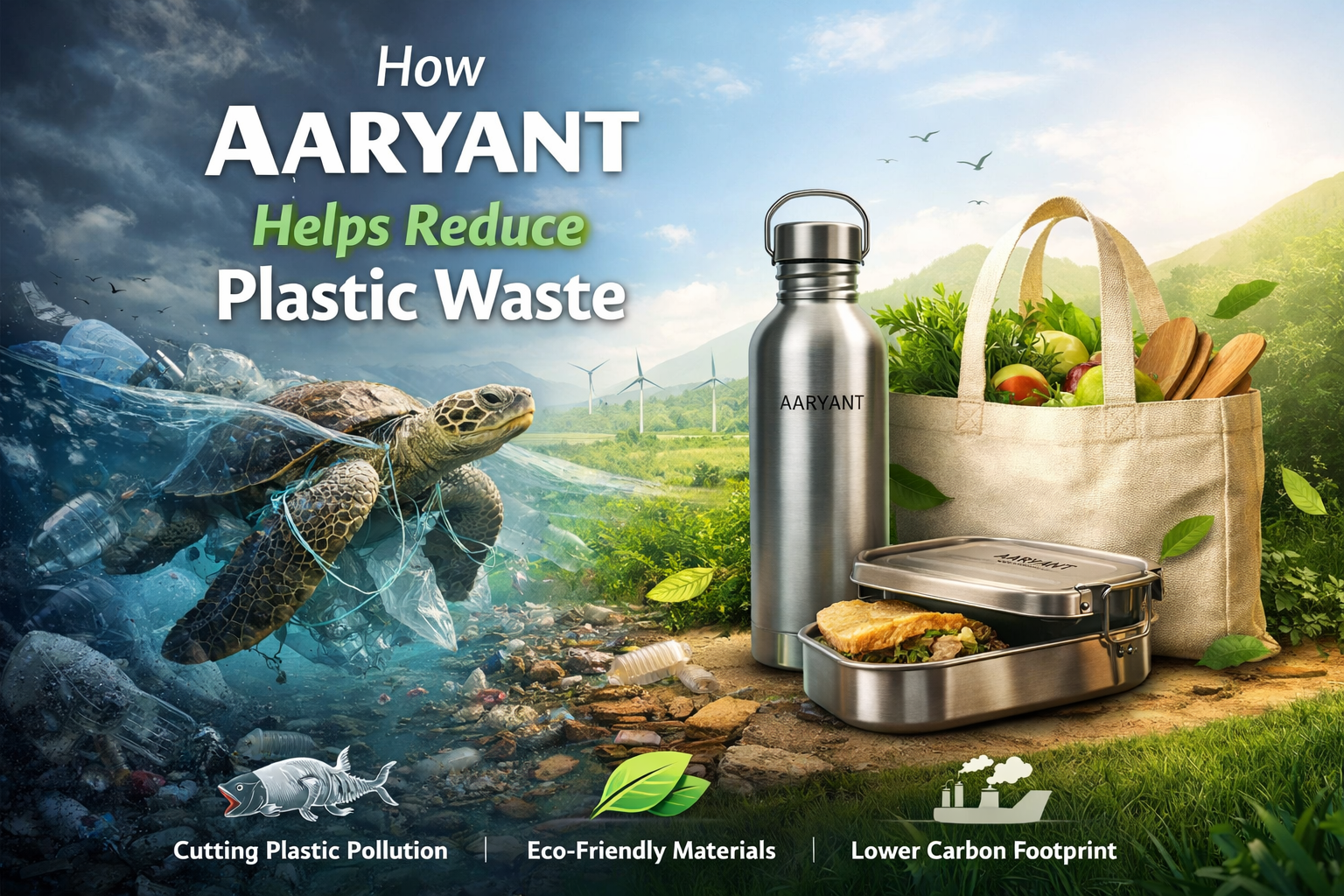
AARYANT: By offering products designed to be reused and recycled, AARYANT helps disrupt the "take-make-waste" cycle. Reusable alternatives can significantly reduce waste; for example, a durable bag needs only a handful of reuses to outperform the environmental impact of its single-use counterpart.
2. Impact on Biodiversity and Health
Traditional: Every day, the equivalent of 2,000 garbage trucks of plastic enters our oceans. This leads to the death of over 100,000 marine mammals and 1 million seabirds annually due to ingestion or entanglement. Microplastics have now been detected in human food, water, and even tissues.
AARYANT: AARYANT focuses on minimizing environmental impact by replacing these hazardous materials. Switching to non-toxic, sustainable materials reduces the leaching of chemicals into soil and water, protecting both wildlife and human health.
3. The Carbon Footprint of Production
Traditional: Over 98% of plastic is derived from fossil fuels. Producing just one tonne of plastic generates approximately 2.5 tonnes of CO2.
AARYANT: Sustainable products are often made with renewable or recycled materials that require less energy and fewer resources to manufacture. Utilizing bio-based or recycled materials can result in a much lower climate impact compared to virgin fossil-fuel-based plastics.
Why 2026 is the Year for Sustainable Choices -
Consumer behavior is rapidly evolving to meet the climate challenge:
78% of consumers now feel that sustainability is important when making a purchase.
62% of people actively seek out sustainable products, a massive increase from just 27% in 2021.
94% of consumers show greater loyalty to brands that offer complete transparency about their environmental impact.
Environmental Impact Comparison
Plastic Water Bottle/Traditional Single Use Plastic - Decomposition: 450+ years.
Water waste: 3L used to make 1L bottle.
AARYANT Sustainable product:
Material: High Grade Stainless Steel.
Lifespan: 5-10+ Years.
Environmental Break Even Point - 20 to 50 uses to outperform plastic on Carbon Footprints.
Key Takeaways:
The "Energy Myth": While sustainable products (like a steel bottle) often require more energy to make than a thin plastic bottle, they become the "greener" choice very quickly—often within the first month of regular use.
Health as a USP: Unlike traditional plastics, AARYANT products eliminate the risk of microplastic ingestion, which has become a top-of-mind health concern for consumers in 2026.
Water Savings: Producing a single AARYANT reusable item can save hundreds of liters of water over its lifetime compared to the thousands of gallons required to manufacture a continuous supply of disposables.
"Aaryant: Greener Sustainable Future."
By choosing AARYANT, you aren't just buying a product; you are investing in a system that prioritizes planetary health over temporary convenience.